Nearly 90 years of serving smallholder farmers.
TFA works at the centre of Tanzania’s agricultural system, improving how smallholder farmers are reached, supported, and connected to opportunity.
Through our network, infrastructure, and long-standing relationships, we help farmers access the inputs, knowledge, and markets they need to improve productivity and livelihoods.
When farmers perform better, the wider system strengthens. Driving economic growth, more resilient communities, and better food security.
TFA provides a practical and proven channel for partners to place capital and capability, with a clear path to impact at scale.
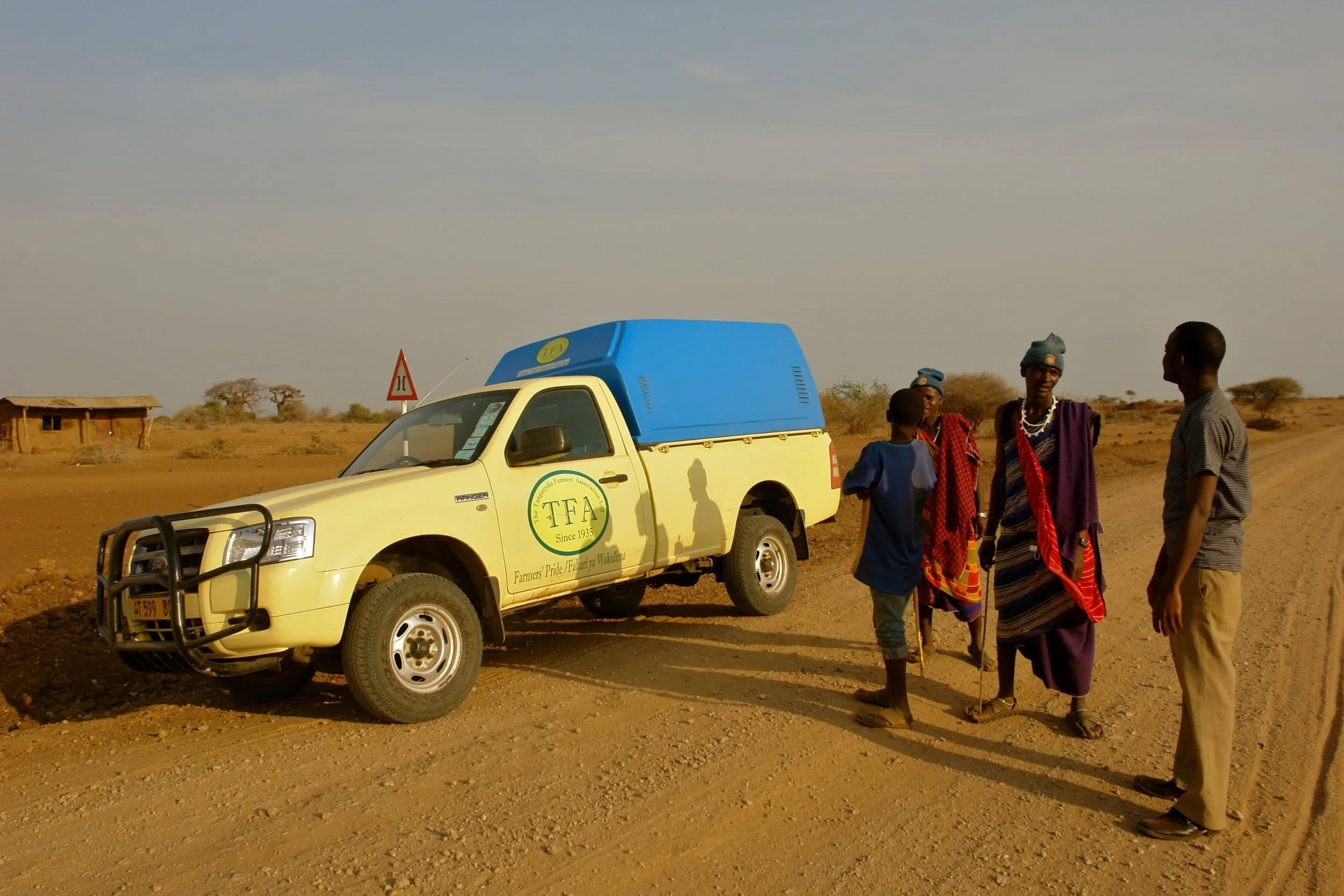
Who We Are
-
Tanzania's farming system won't improve through competition. It will improve through collaboration. TFA is the platform that makes that possible — connecting smallholder farmers to the partners, knowledge, markets, and infrastructure they need to thrive. We don't duplicate what works. We bring it together, in one trusted place, built around the people who need it most.
-
IUstawi wa Mkulima — Farmer Flourishing We measure success by whether smallholder farmers are earning more, living better, and working with dignity.
Mfumo Imara — A Stronger System We build economic and environmental resilience into everything we do — because a fragile system serves no one.
Urithi — Legacy We are stewards of Tanzania's land and water, making decisions today that protect what future generations will depend on.
-
The Tanganyika Farmers’ Association (TFA) was established in 1935 to support farmers across what was then Tanganyika, now Tanzania. Originally operating as part of the Kenya Farmers’ Association, TFA became an independent organisation in 1955 and quickly grew into one of the country’s most important agricultural institutions.
Over the decades, TFA played a central role in supporting both smallholder and large-scale farmers by providing agricultural inputs, storage infrastructure, market access, and farming support services. In the 1960s, the Tanzanian government partnered closely with TFA due to its strong infrastructure, nationwide reach, and trusted farmer relationships. This significantly expanded TFA’s role and influence within the agricultural sector.
TFA’s history has also been shaped by major political and economic changes in Tanzania. Following the Arusha Declaration and later nationalisation policies, many TFA assets and farming operations were confiscated or heavily restricted. Liberalisation in the 1980s brought new private competition into the market, forcing TFA to adapt and reposition itself within a rapidly changing agricultural economy.
Despite these challenges, TFA remained resilient. The organisation rebuilt its operations, expanded its branch network, and diversified into commercial property development to strengthen long-term financial sustainability. One of its major developments, the TFA Arusha Mall, has become a significant commercial centre within the region.
Today, TFA serves more than 4,800 members and operates across key agricultural regions in Tanzania. With nearly 90 years of history, TFA remains deeply embedded in Tanzania’s agricultural system and is now focused on helping smallholder farmers create more value from their land through stronger partnerships, better systems, and improved access to knowledge, markets, and opportunities.
TFA Management Team
-
![]()
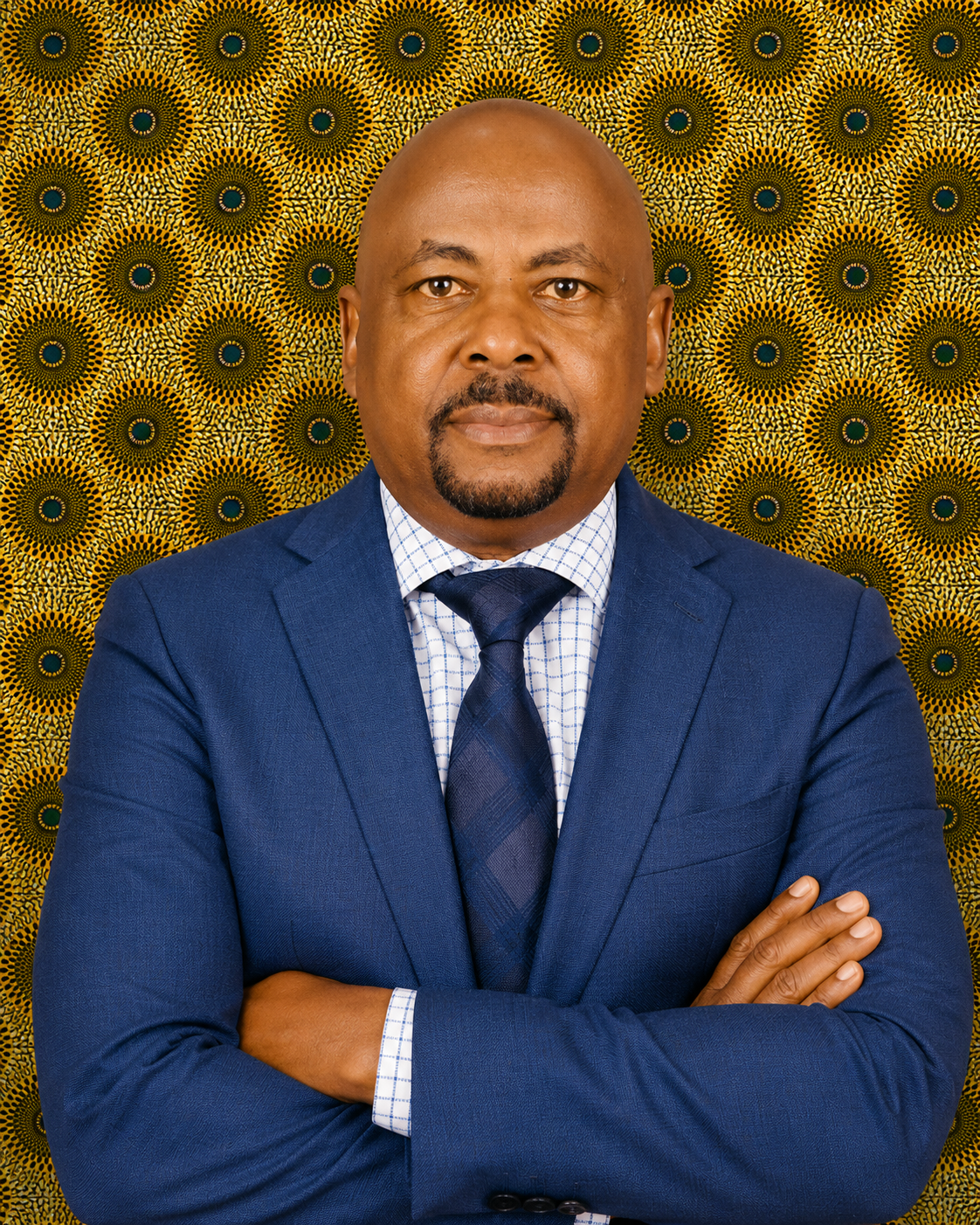
Justin Shirima
Managing Director
Justin Shirima is a Tanzanian business leader, marketer, and entrepreneur with extensive experience across banking, engineering, consulting, government, and agribusiness. Since joining Tanganyika Farmers Association Plc in 2015, he has led its growth through strong commercial leadership and deep connection to Tanzania’s farming community. A trained director and entrepreneur, he combines strategic expertise with hands-on farming experience to help improve farmer livelihoods and agricultural practices. -
![]()
Ms. Pendo Jacob
Company Secretary & Legal Officer
Ms. Pendo is an Advocate of the High Court and the Courts Subordinate thereto other than Primary Courts and hold Postgraduate Diploma in Financial Management, Postgraduate Diploma in Legal Practice, Bachelor of Laws and Certificate of Proficiency in Insurance. She has over 9 years working experience in Corporate Law working with various organizations. -
![]()
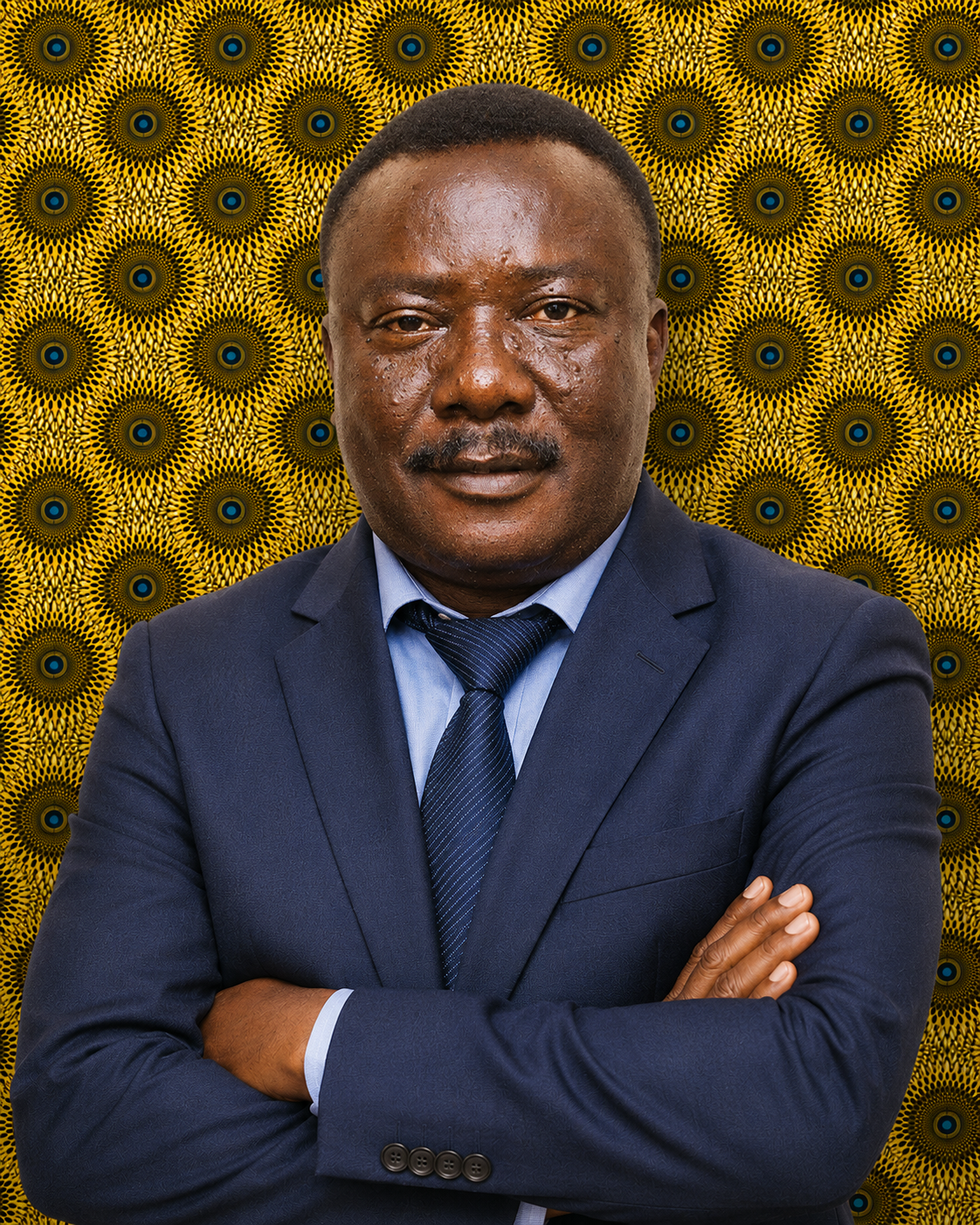
Mr. Renath Kauki
Sales & Marketing Manager
Mr. Renati Kauki is the Head of Sales and Marketing at TFA, with over 20 years of experience in agricultural input business management and community development. He holds a BSc in Agricultural Economics and Agribusiness from Sokoine University of Agriculture. Since joining TFA in 2010, he has progressed through key leadership roles, including Branch Manager and Zonal Sales Manager – Northern Zone, contributing significantly to market growth and sales performance. -
![]()
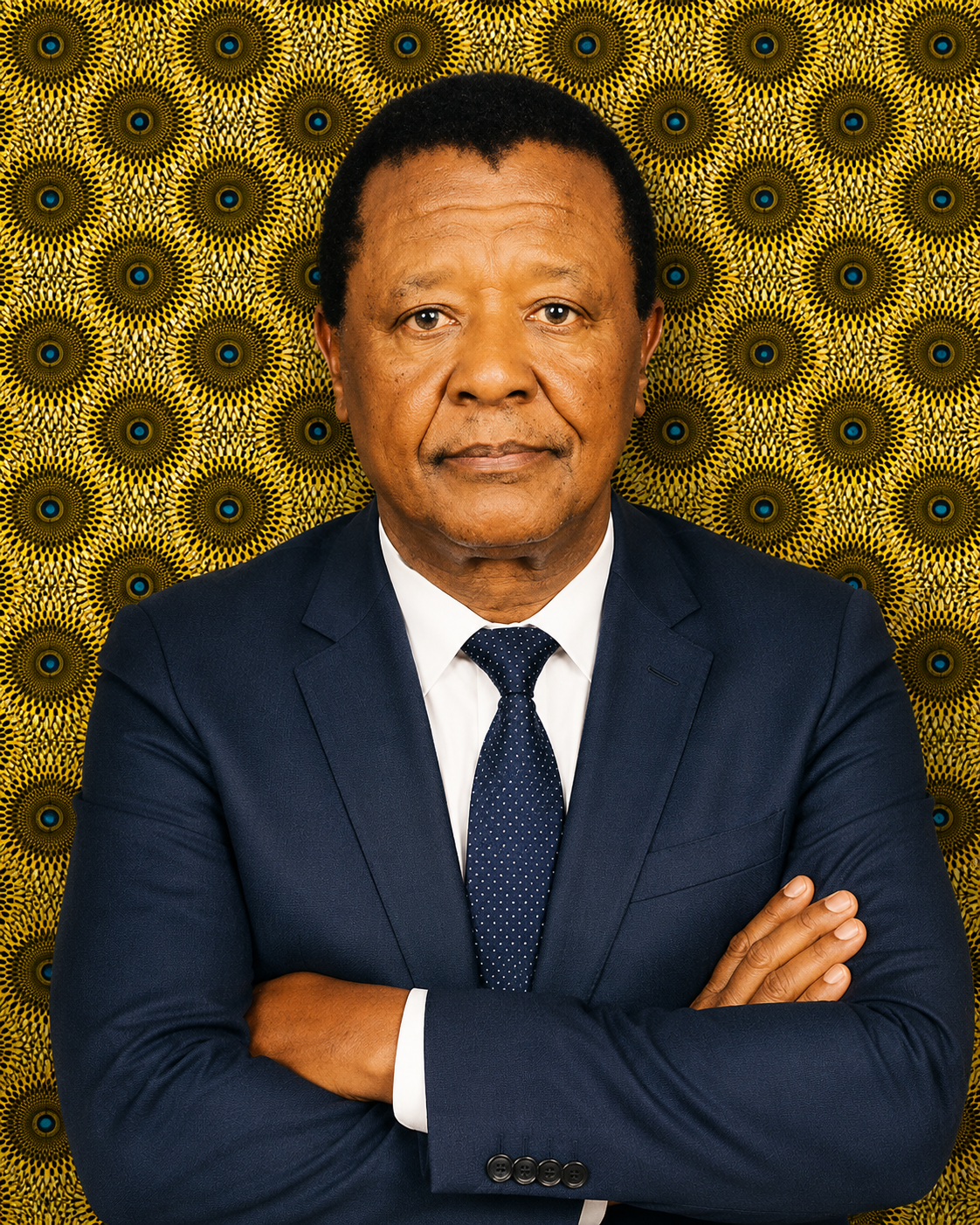
Mr. Rogasian D. Kimaryo
Finance Manager
Mr. Kimaryo is a registered Fellow Certified Public Accountant (FCPA 273) with the National Board of Accountants and Auditors. He has over 45 years working experience in the accounting, finance and Auditing profession working with various organisations, consultancy firms and international NGO’s in different capacities. Mr. Kimaryo joined TFA in July 2007 -
![]()
Evarist Epimack Kauki
Manager Property
Evarist Epimack Kauki brings over 15 years of experience in property management and financial operations, with expertise in revenue optimisation, financial controls, and operational efficiency. He has strengthened lease management systems, improved compliance and accountability, and helped drive stronger property performance through disciplined financial leadership, strategic insight, and effective stakeholder engagement. -
![ELIBARIKI MICHAEL KIVUYO]()
ELIBARIKI MICHAEL KIVUYO
Internal Audit
Elibariki is an accounting and audit professional with strong expertise in finance, internal auditing, reconciliations, and information technology. A graduate of Ruaha University College, he is progressing toward both CPA and CIA certifications. Since joining Tanganyika Farmers Association Plc in 2017, he has played a key role in strengthening internal audit and financial accountability systems.




TFA Board
-
![]()
Mr. Waziri Elisha Barnabas
Board Chairman
Mr. Waziri Elisha Barnabas is the Director of Finance of the National Bank of Commerce (NBC) on which Board is also the Executive Director.
He is a holder of Bachelor of Commerce in Accounting (Bcom-Accounting) from the University of Dar es Salaam, and a Certified Public Accountant (CPA-T) No. ACPA 3078 from the National Board of Accountants and Auditors (NBAA).
Mr. Barnabas has deep and long experience in the financial services sector. He holds Certificate in Directorship from the Institute of Directors in Tanzania (IODT).He was the Chief Financial Officer (CFO) for NMB Bank Plc for over 9 years; Senior Manager Finance & Control of NMB; Chief Financial Officer of Barclays Bank Tanzania Limited; and Head of Business Finance at Standard Chartered Bank Tanzania Limited.
Some of the courses and workshops he has attended are: Customer Care; Achieving Market Leadership; Liquidity Management; Annual post-budget speech reviews (KPMG, PwC, Deloitte & Touche); Q12 Surveys by Gallup; Presentation Skills; Personal Finance Management; Strategy & Management in Banking Program (Dublin & London) and Strategic Leadership Course (New York and Mumbai) as coordinated by the World Women Banking (New York). He has also attended other course on Basel II and III in Singapore.
-
![]()
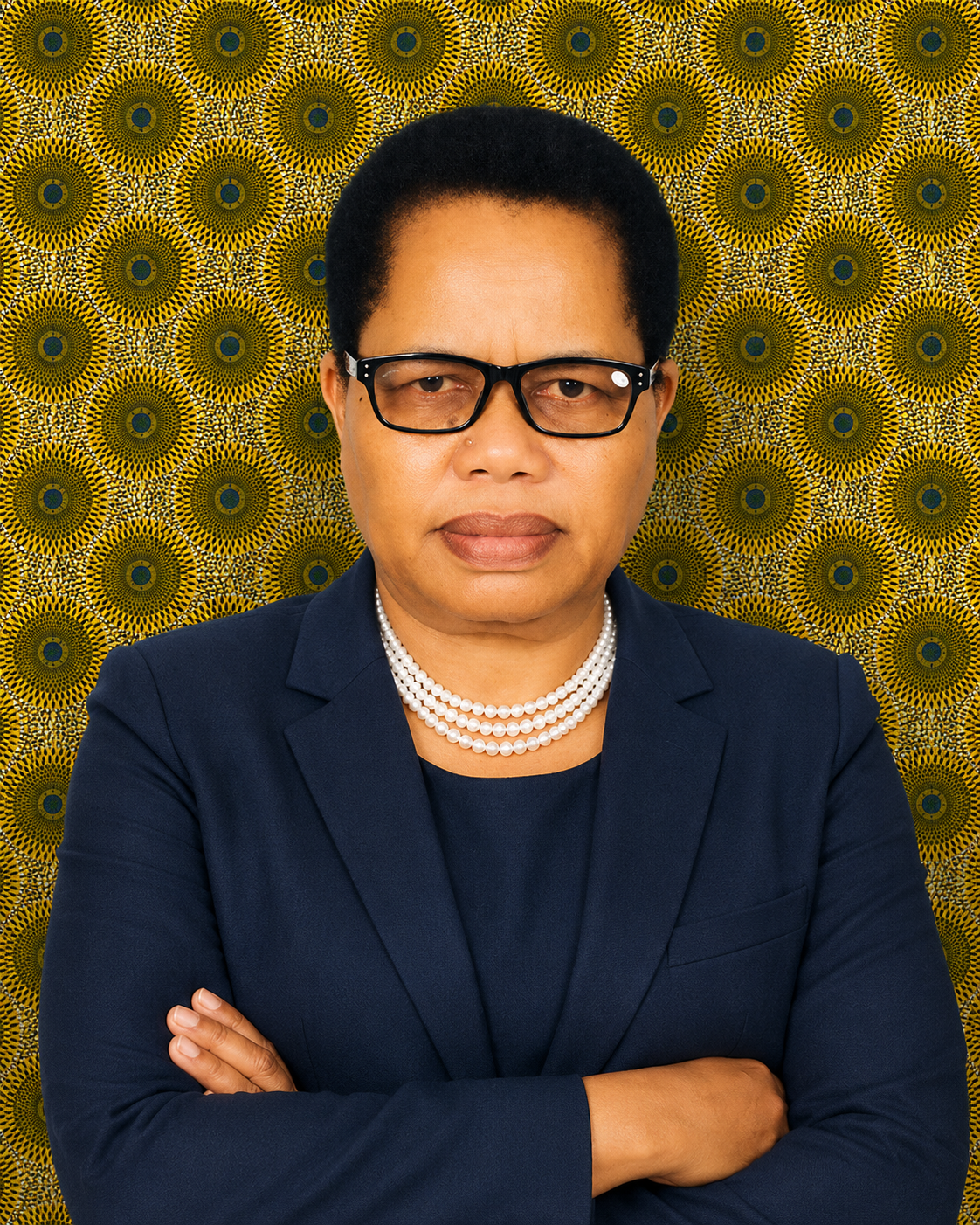
Mrs.Cathy-Elizabeth S.Long’lway
Vice Chairperson
Mrs. Cathy-Elizabeth Simba Long’lway is a medium scale commercial farmer and a contract seed grower with the Agricultural Seeds Agency (ASA).
She holds a Bachelor Degree of Science with Education from the University of Dar es Salaam. She has attended such training as Tanzania Business Women’s Textile Project Training of Trainers (T.O.T) program conducted by UNIDO under Ministry of Women’s Gender Youth/Children; The United Nations Conference on Trade
and Development under Empretec Tanzania. Sheattended capacity-building training for board directors.She is an entrepreneur trainer and a former teacher at the ladder of “Principal Education Office”. She taught advanced levels at Jangwani and Tambaza High Schools.
She has had a lot of success, individually and as a leader of several groups, including attending Zonal and International Trade Fair. She has served as a director for a number of years. -
![]()
Mrs. Rukia Juma Adam
Board Member
Mrs. Rukia Juma Adam holds the following qualifications: a Master’s Degree in Business Administration (MBA) from the University of Dar es salaam (UDSM); Advanced Diploma in Certified Accountancy of the IDM Mzumbe; Certified Public Accountant (CPA-T) No. ACPA 549 from the National Board of Accountants and Auditors (NBAA). Mrs Rukia holds Certificate in Directorship from the Institute of Directors in Tanzania (IODT).
She has long and rich experience having worked at: Tanzania Revenue Authority (TRA) as the Deputy Director, Accounting Operations; and, Deputy Director, Management Accounting; Tanzania Breweries (TBL) as Group Management Accountant; National Credit Manager; Finance and Administrative Manager; and, Brewery and Plant Accountant.
She has served, as a director, on such boards as: Tanzania Insurance Regulatory Authority (TIRA); Tanzania Civil Aviation Authority (TCAA). She was the Chairperson of the Governing Council of the Institute of Accountancy Arusha (IAA). She currently serves on the board of the National Board of Accountants and Auditors (NBAA); and Akiba Commercial Bank.
-
![]()
Mr.Ramadhani Thabit Saidi
Board Member
Mr. Ramadhani Saidi is currently the General Manager of the EFFCO Group whose three subsidiaries deal with mining contracting services; heavy lifting and abnormal cargo haulage. He holds a Master’s Degree in Business Administration (MBA), and a Bachelor of Commerce (BOM) from the University of Dar es salaam (UDSM). He is also a Certified Director by the Institute of Directors of Tanzania (IODT). He has attended such coursers as training in Credit Management; Corporate Governance; Accounting; Equipment Leasing and Financing.
He has vast experience in banking and equipment financing; business and management. He served in number of institutions locally and abroad: Regional Manager – Southern Africa Enterprise Development Fund (SAEDF) – an Equity Fund Company based in Johannesburg, South Africa for over 8 years; Head of Vehicle & Asset Finance Department at Stanbic Bank Tanzania Limited (Subsidiary of Standard Bank Group of South Africa) Dar es salaam, Tanzania.
Mr. Saidi has served in different Boards in the country and overseas. He is also a commercial farmer of both seasonal and cash crops in different regions in Tanzania.
-
![]()
Mr. Peter Ezra Sirikwa
Board Member
Mr. Peter Ezra Sirikwa holds a Diploma in Animal Health, and a Certificate in Agriculture and Veterinary Science. He has attended a number of courses including: Empowering Training on Good Governance for the TFA Board and Management; Knowledge, Altitude, Practices and Behavior (KAPB) Study in Pastoralist Areas.
He was Oxfam Ireland Program Officer in Ngorongoro District. He has served as a director on the Board of Arusha Regional Agriculture & Commercial Chamber; and, as a director of the Board of Happy Sausage Company.
-
![Mr. George B. Lupembe]()
Mr. George B. Lupembe
Board Member
Mr. George Benedict Lupembe is the Managing Director of Highland Pride, and the Executive Chairman at the Agro-Pro Limited.
He holds a Certificate in Business Administration; a Diploma in Business Administration, and an Advanced Diploma in Marketing Management.
He has held a number of positions such: Principal Trade Officer Grade 1 (Regional Secretariat Njombe); Head of Trade Investigation and Inspection Unit (Dar es Salaam City Commission); Acting District Executive Director; Town Executive Officer; Regional Trade and Industrial Officer.